%2Ffit-in%2F250x250%2Fguide_websites%2F14833%2Fimages%2F1713375302285301429491_1088507608459741_4594866308848169034_n.jpg&w=1920&q=100)
/users/3f7677b0-e572-460e-a151-6864f81dcccc/ratecard/7053ddf1-54ce-475b-bc0a-d6390b5048f4.jpg)
%2F300x300%2Fusers%2F3f7677b0-e572-460e-a151-6864f81dcccc%2Fratecard%2F7053ddf1-54ce-475b-bc0a-d6390b5048f4.jpg&w=256&q=75)
%2F300x300%2Fusers%2F3f7677b0-e572-460e-a151-6864f81dcccc%2Fimages%2F6-king-mackerel-fishing-al-3177.jpg&w=256&q=75)
%2F300x300%2Fusers%2F3f7677b0-e572-460e-a151-6864f81dcccc%2Fimages%2Ffishing-foley-best-great-3163.jpg&w=256&q=75)
%2F300x300%2Fusers%2F3f7677b0-e572-460e-a151-6864f81dcccc%2Fimages%2Fbig-florida-pompano-catch-al-3204.jpg&w=256&q=75)
%2F300x300%2Fusers%2F3f7677b0-e572-460e-a151-6864f81dcccc%2Fimages%2Fgreat-mackerel-fishing-alabama-3536.jpg&w=256&q=75)
%2F300x300%2Fusers%2F3f7677b0-e572-460e-a151-6864f81dcccc%2Fimages%2Ffishing-friends-foley-3076.jpg&w=256&q=75)
%2F300x300%2Fusers%2F3f7677b0-e572-460e-a151-6864f81dcccc%2Fimages%2Flone-fisherman-alabama-3122.jpg&w=256&q=75)
%2F300x300%2Fusers%2F3f7677b0-e572-460e-a151-6864f81dcccc%2Fimages%2Fgreat-grey-triggerfish-foley-3156.jpg&w=256&q=75)
%2F300x300%2Fusers%2F3f7677b0-e572-460e-a151-6864f81dcccc%2Fimages%2Ffishing-foley-adventure-3081.jpg&w=256&q=75)
%2F300x300%2Fusers%2F3f7677b0-e572-460e-a151-6864f81dcccc%2Fimages%2Fsuccessful-fishing-trip-foley-3140.jpg&w=256&q=75)
%2F300x300%2Fusers%2F3f7677b0-e572-460e-a151-6864f81dcccc%2Fimages%2Fgrey-triggerfish-catch-alabama-3176.jpg&w=256&q=75)
World-Class Inshore Fishing in Gulf Shores, AL
 Alabama
What you will be catching:
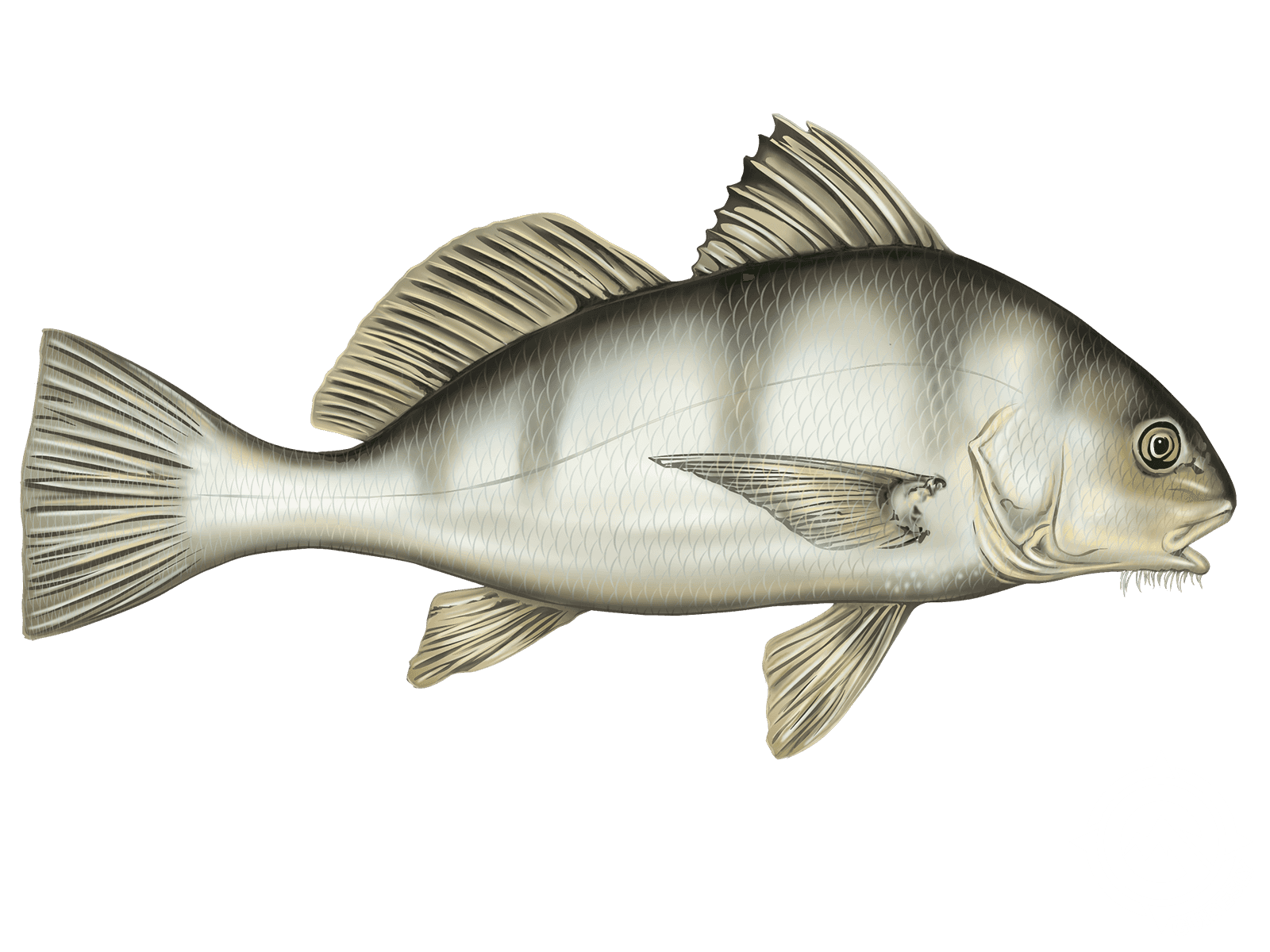
 Black Drum
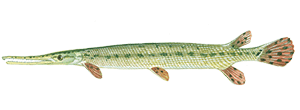
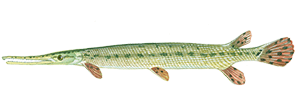 Longnose Gar
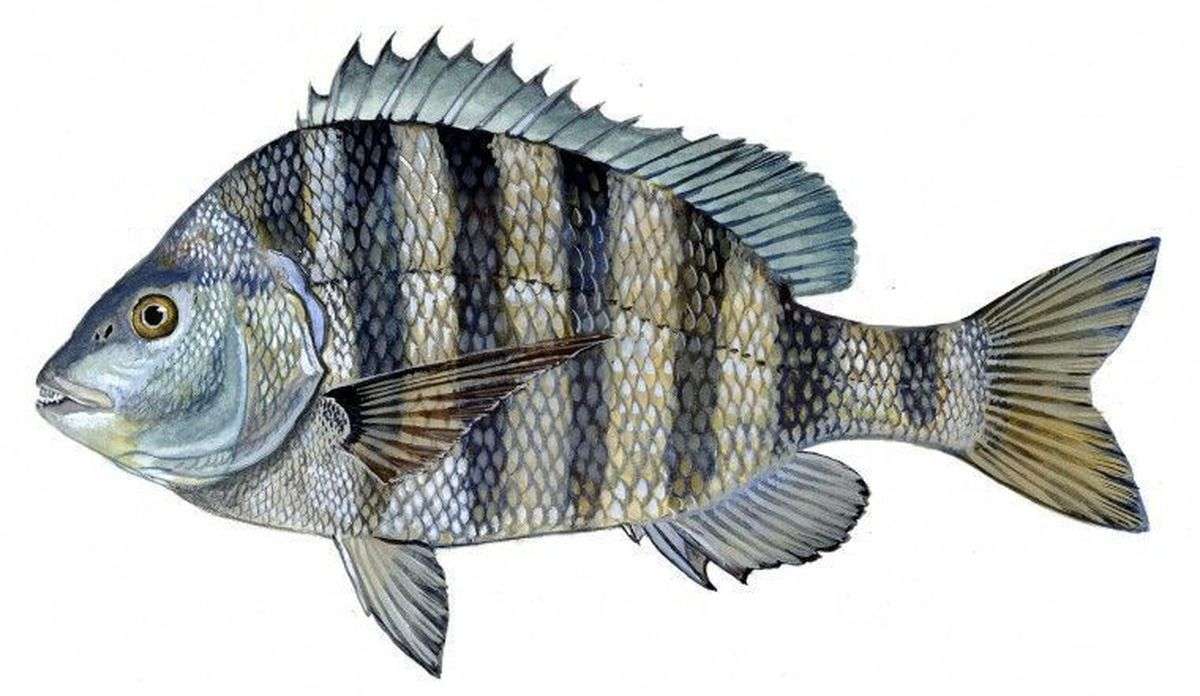
 Sheepshead
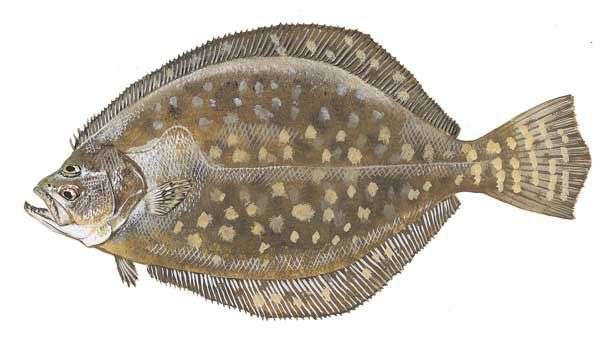
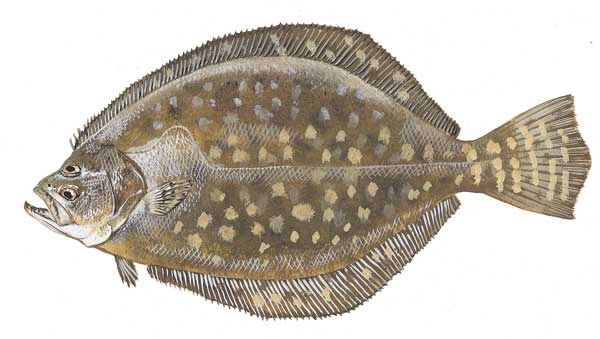 Southern Flounder
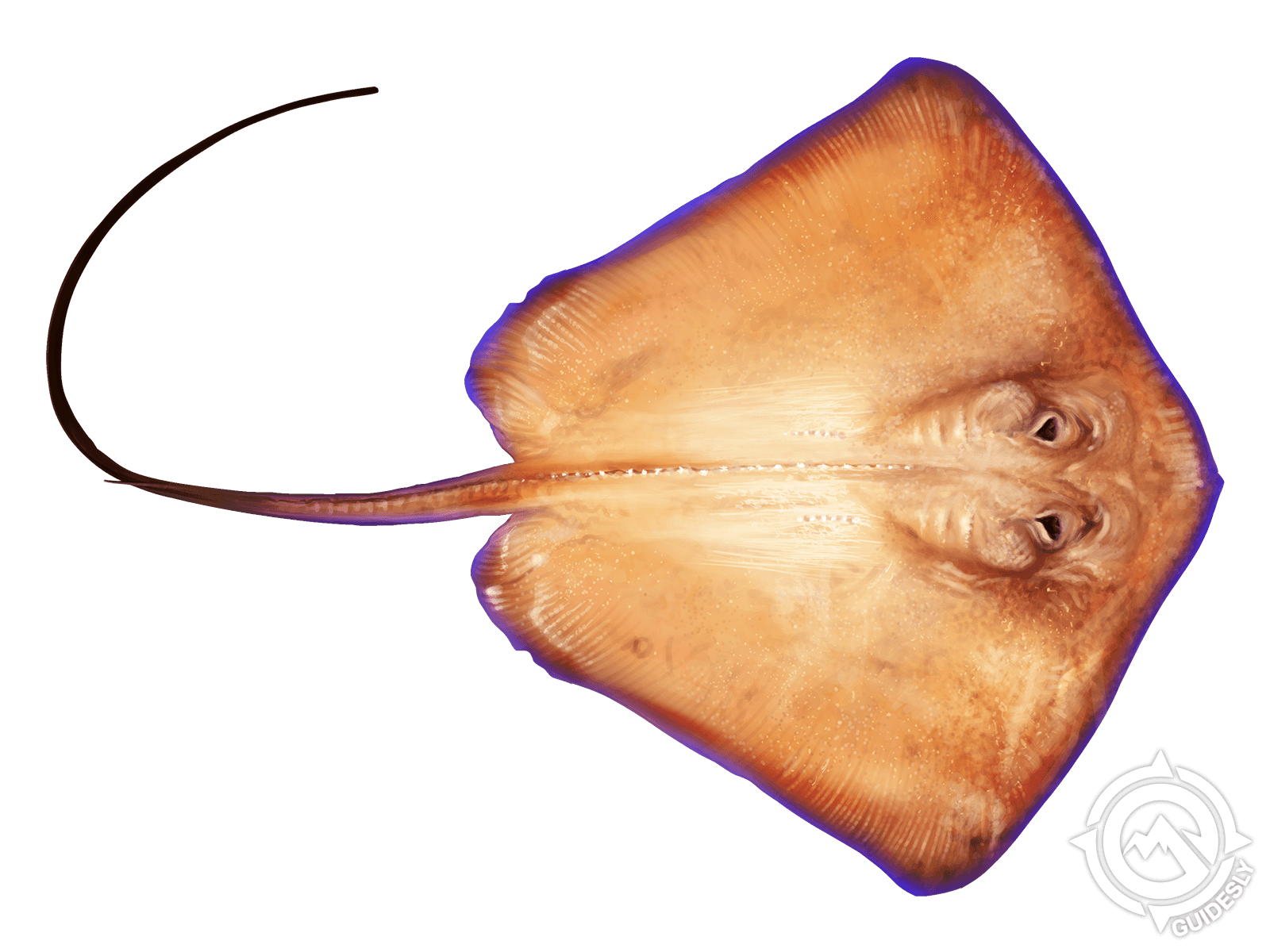
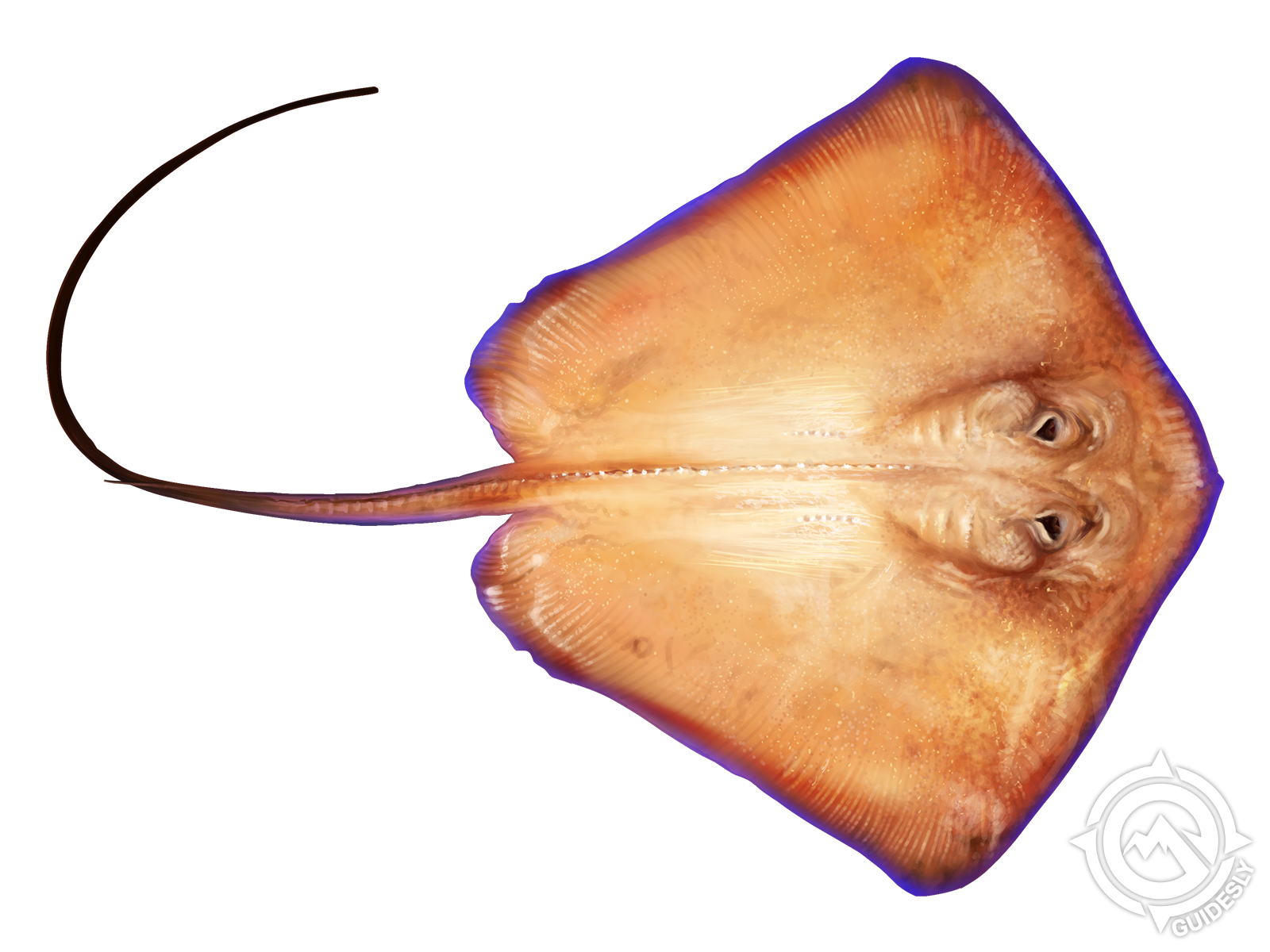 Southern Stingray
- Half-day guided inshore fishing for redfish and speckled trout
- Experienced captains provide expertise for all skill levels
- Flexible scheduling accommodates up to 4 guests comfortably
Trip Pricing and Availabilities:
Half-Day Inshore Fishing: Gar, Flounder & More
Hey there, angler! Ready to wet a line in the rich waters of Gulf Shores, Alabama? Our half-day inshore trips are the perfect way to scratch that fishing itch without breaking the bank or eating up your whole day. We'll hit the local hotspots for flounder, gar, black drum, and more, giving you a real taste of what Alabama's coastline has to offer. Whether you're a seasoned pro or just starting out, our guides know how to put you on the fish and make sure you have a blast doing it.
What to Expect on the Water
Our trips kick off bright and early (or later if that's more your speed) with flexible start times from 6 AM to 6 PM. We'll cruise out from Gulf Shores, cutting through the calm inshore waters that are home to some of the best fishing in the state. You'll be armed with top-notch gear, and our seasoned captains will share local knowledge that'll have you fishing like a pro in no time. With room for up to 4 anglers, it's perfect for a family outing or a day out with your fishing buddies. Just remember to pack some snacks and drinks - the fish might be biting, but we won't be serving any meals on board.
Fishing Techniques & Hotspots
On this trip, we'll be using a mix of techniques to target our inshore species. For flounder, we might be drifting soft plastics along sandy bottoms or working jigs near structure. When we're after gar, get ready for some surface action - these prehistoric-looking fish love to ambush topwater lures. For black drum and sheepshead, we'll often fish near pilings, jetties, or oyster beds with live bait or crab. And if we spot some stingrays cruising by, we might even try our luck with some sight fishing. Our captains know all the local honey holes, from grass flats to deep channels, and they'll put you right where the action is.
Species You'll Want to Hook
Southern Flounder: These flatfish are masters of camouflage and a real treat to catch. They love to hang out on sandy or muddy bottoms, often near structure. Spring and fall are prime times for flounder, with many anglers scoring their personal best during the fall run. They're not just fun to catch - they're also some of the best eating fish in the Gulf!
Longnose Gar: Talk about a fish with attitude! These prehistoric-looking predators can grow up to 6 feet long and put up one heck of a fight. They're most active in warmer months and love to hang out near the surface. Watching a gar chase down a topwater lure is a sight you won't forget. They're not known for their table fare, but they're a blast to catch and release.
Black Drum: These cousins of the redfish are like underwater bulldogs. They can grow to over 100 pounds, though we usually target the smaller "puppy drum" that are better eating. Black drum are year-round residents, but the fishing really heats up in the spring. They love crustaceans, so fishing with crab or shrimp near structure is often the ticket.
Southern Stingray: While not typically a target species, hooking into a stingray can add some excitement to your day. These graceful creatures glide along the bottom and can put up a surprisingly good fight. We practice careful catch and release with rays, making sure to avoid their barbed tail while unhooking.
Sheepshead: With their distinctive black and white stripes and chompers that look like human teeth, sheepshead are a unique catch. They're notorious bait stealers, so feeling their bite takes some practice. Winter and early spring are prime times for sheepshead, and they love hanging around structure like pilings and reefs. They're excellent eating, too!
Why Anglers Keep Coming Back
Our Gulf Shores inshore trips aren't just about filling the cooler (though we do our best to make that happen). It's about the whole experience - the salty breeze, the sound of gulls, the tug on your line that could be anything from a feisty flounder to a hard-pulling drum. Our captains aren't just guides; they're local experts who love sharing their passion for these waters. You'll learn new techniques, hear some good fish stories, and probably tell a few of your own by the end of the day. Plus, with our flexible scheduling, it's easy to fit a trip into your Gulf Shores vacation, whether you're an early bird or prefer to sleep in.
Time to Book Your Spot
So, what do you say? Ready to experience some of the best inshore fishing the Gulf Coast has to offer? Our half-day trips are perfect for both serious anglers looking to add some new species to their list and families wanting to create some lasting memories. With year-round fishing opportunities and a variety of species to target, there's never a bad time to hit the water in Gulf Shores. Don't let another fishing season slip by - grab your spot on one of our trips and get ready for a day of rod-bending, drag-screaming action. The fish are waiting, and so are we! Book now and let's make some waves (and catch some fish) together!
Learn more about the species
Black Drum
## Black Drum (Pogonias Cromis) ## Black Drum Description The Black Drum is a fish in the Sciaenidae family. The Black Drum is also the largest fish of that family, including almost 300 species, including their popular cousin, the Redfish. They are known as drums or croakers due to the repetitive drumming or croaking sounds they make. They are black and or grey and have powerful jaws with strong teeth capable of crushing prey like shellfish and oysters. ## Black Drum Size The Black Drum's typical weight range varies considerably from 5 to 30 pounds but can reach a weight of up to 90 pounds. If you intend to eat your catch, you may want to release Black Drum over 15 pounds. As they grow larger, the meat is tough and more comparable to chicken than a flaky texture. Also, the flavor of the older fish is not as tasty as the smaller-sized fish. ## Black Drum Spawning Black Drum have mating calls that they use to seek out others during the spawning season, capable of producing tones that reach 100 to 500 Hz. Black Drum grow rapidly and reach maturity within the first 2 years of their lives and live to 50 years. The females can lay eggs every three days during the spawning season. Their spawning seasons vary due to location, spawning occurring in February and March in southern areas like Texas, and April to June farther north. ## Black Drum Habitat Black Drum typically prefers brackish waters and estuaries. The adults live closer to the saltier areas near the ocean. They can be found around an oyster bed and other areas with plentiful food sources. The juveniles prefer the less salty areas of the same estuaries with sandy bottoms. Black drum are extremely adaptable when it comes to temperatures and salinity and can be attracted to freshwater creek openings and extremely shallow water, but are also found in depths of up to 100 feet. ## Black Drum Fishing You will find the best Drum fishing is on shallow water, muddy flats, and oyster beds, but they can also be found near inlets, pier pilings, creeks and estuaries that make way inward. Most anglers also fish for the Black Drum in the spring around the spawning season. At this time, the fish school up and are easier to target. After the spawning season, the fish disperse and become much harder to target. ## ## Black Drum Bait and Lures The best bait an angler can use for Drum fishing is live bait because they are bottom-feeders. Live bait such as fresh soft crabs, mollusk, peelers crabs, sea clam, or crushed mussels are the preferred bait. Anglers like to use crab because it does not tend to get eaten by catfish and other bait stealers. If you are not using live bait, then choose very slow-moving jigs like bucktail jigs. It is also vital to use the correct weighting for the conditions to ensure that your bait is on the bottom. When fly fishing, most anglers prefer to use a 7- or 9-weight fly rod, leaning towards a 9-weight for throwing heavier flies and a little extra strength when pulling on fish that may be more than 20 pounds. You will want to present your fly on the bottom, and weighted black flies that get to the bottom quickly are best such as the Redfish Worm, Merkin, and Clouser Minnow. ## Distribution and Range The Black Drum has a wide range and extends as far north as Nova Scotia, down the whole Atlantic coast of the United States, Florida and the Gulf of Mexico. ## Black Drum Regulations Check the state you are fishing in as they each have their own regulations, but you will find most at 5 fish per day between 14 and 24 inches long, with one allowed over 24 inches.
Longnose Gar
Longnose Gar (Lepisosteus osseus) Fish Description
The Longnose Gar is what people probably refer to as the common gar. They’re known for their long snouts and can sometimes look similar to that of a Muskellunge or a Pike. However, the biggest difference is the long snout which is what the Longnose Gar has. The patterns are also different. The Longnose Gar has spots whereas the Pikes (particularly the Chain Pickerel) has a chain-like pattern.
The Longnose Gar is also a cousin to the Alligator Gar. However, the difference lies in the snout structure. The Alligator Gar has a wider snout, giving it an appearance akin to an alligator. Whereas, the Longnose Gar is known for a narrower snout. Its narrower snout also gives it the moniker, the Needlenose Gar.
The Longnose Gar is olive green in color. As a member of the Gar family, its body is shaped fusiform – giving it the shape of a torpedo. This assists it in being more of an ambush hunter as it snaps the necks of its prey in between its jaws.
Longnose Gar Diet and Size
Longnose Gars eat a lot of small fish but they do go for an occasional insect or two. Sometimes, they can also be found eating crustaceans. Longnose Gars aren’t entirely picky. In places like Florida, Longnose Gars are reported to also eat Bullhead Catfish. But in other areas, Longnose Gars are known to ignore gamefish entirely.
However, their diet depends heavily on their size and age. Adult Longnose Gars are also known to eat Sunfishes and the occasional Bluegill.
Adult Longnose Gars can grow up to 28-48 inches. However, they are known also to grow up to 6ft if left alone to their devices. The maximum weight of a Longnose Gar was recorded at 55 lbs.
Interesting Facts about the Longnose Gar
- Longnose Gars can live up to 15-20 years.
- The maximum age of a Longnose Gar was at 39 years old.
- The Longnose Gars are considered primitive.
- Their being declared primitive may be a misconstruction however as they have evolved. It’s just that their species may have been around for a long time.
- Other evidence of them being primitive includes their highly vascularized swim bladder. This gives them the ability to breathe in air and water.
- They also have a spiral valve intestine like most of their Gar cousins.
- Some people consider Longnose Gar a delicacy.
- What makes them hard to eat however is their skin.
- Their eggs are also poisonous so don’t eat them.
- Gar meat has the same texture as chicken but tastes more like alligators.
- Female Longnose Gars are bigger than males.
- Longnose Gars are nocturnal by nature.
Longnose Gar – Fishing Techniques: How to Fish for a Longnose Gar
When fishing for a Longnose Gar, you don’t use a hook. Their mouths are too narrow for that. Instead, use a nylon tail. Make sure it’s unbraided so that the teeth of the Longnose Gar will get tangled among the strings. As an opportunistic hunter, Longnose Gars can be caught via Sightfishing or doing the Figure Eight style of fishing.
Sightfishing is when an angler lets the lure run alongside the fish of choice. For the Longnose Gar, this will definitely get them biting. As ambush hunters, Longnose Gars can be quite opportunistic. They are also praised for their ability as a fighter which is why they are highly valued as a gamefish.
While some use reels, anglers in other states do bowfishing when it comes to the Longnose Gar. Unfortunately, Bowfishing usually means that the fish you shot is already dead. There’s no chance for capture and release. People who bowfish usually do this to cull the numbers or to take down invasive species that could be affecting the ecosystem of their fishing ground.
Longnose Gar Habitat and Distribution
Longnose Gars prefer staying in freshwater bodies. They usually stay in streams, lakes, swamps, backwaters of rivers. However, they do have a certain tolerance when it comes to brackish water and can sometimes be found in coastal areas.
However, fishing for a Longnose Gar doesn’t always rely on the water body in question. Sometimes, it also has to do with the time of day. During the night, they are more active. They’ll most likely be swimming amongst the vegetation where they have a camouflage. When they see the prey of their choice, they’ll snap it up. In this case, if you’ll do sightfishing, letting the line run parallel to the vegetation is bound to get them biting.
Sheepshead
Sheephead Fish (Archosargus Probatocephalus) Description
The Sheepshead is a beautiful fish with a deeply compressed grey body. They have five to seven dark bars on the sides of its body, giving it the nickname of convict fish. They also have sharp dorsal spines, but what they are really famous for are their human-like teeth.

Size
Sheepshead are common at 1-8 pounds and 14-20 inches. However, if you are lucky, you could come across one at 20 pounds, 35-inches. They live a relatively long life, about 20 years.
Spawning
Sheepshead form spawning groups of up to 10,000 fish. They migrate to structures at channel passes and offshore reefs, jetties, and oil platforms. They primarily spawn in the early spring from February through April.
Interesting Facts
- Sheepshead fish are nicknamed convict fish for their gray and black stripes.
- Sheepshead Bay in New York got its name from these fish there were once abundant. However, the bay's popularity caused water pollution, and the Sheepshead have all but disappeared from the bay.
- The delicate white flesh and delicious mild flavor of the Sheepshead make it excellent table fare, but their tough scales and strong fin spines make this species difficult to clean or fillet. Because of this, it is sometimes passed over in favor of other food fish.
Habitat and Distribution
You will find these fish around structures of any kind, docks, bridges, petroleum rigs, and reefs. Any barnacle-covered pilings make for great places to catch some big Sheepshead fish. Although they usually stay near cover, occasionally, they will also come closer to shore to feed on sand fleas (a type of crab).
Sheepshead are found along the entire east coast of the United States and around Florida to the Gulf of Mexico. The highest concentrations are found in south Florida to the Gulf of Mexico. Because of the large number of artificial structures and pier pilings in northwest Florida, you will also find large concentrations. They can also be found as far north as Nova Scotia.
Fishing Techniques - How to Catch Sheepshead
If your fishing from a boat, pull up to the structure without dropping an anchor, if possible, as it will startle the fish. They seldom go after baits too far from their cover, so get as close as you can. Anglers on land can still catch the big one off the dock or seawall. Just as the boat angler would do, cast your bait as close to the pilings as possible. Using light tackle, let the bait hit bottom, then slowly bring the bait up in 1-foot increments to determine where the fish are suspended in the water as they are pelagic. They may lurk near the bottom or hover in any depth. Sheepshead are notorious bait stealers. They will nibble on the bait in an attempt to loosen it from the hook, so always have it set up firmly. They also have powerful mouths and jaws, so once you feel the fish's weight nibbling at the bait, set the hook aggressively.
Look for these King-of-the-Reef fish around structures where they love to feed on barnacles, small stone crab, and fiddler crab. They also eat shrimp, mollusks, minnows, clams, and squid. When choosing a bait, a natural one is the best way to go. However, if you are looking for a jig to use, consider a shrimp-tipped jig. The heavier weight helps keep the bait down and from being dragged with the current. If your local laws allow, you may even scrape barnacles off the pilings with a rake to create a seeping area of meat pieces in the water. The Sheepshead will quickly hone in on the scent, and you will have them come to you.

Sheepshead Good to Eat?
Sheepshead is an excellent choice for those who love delicious, sustainable seafood options. This fish has a mild flavor that makes it suitable for any palate. Its white, sweet and succulent flesh is a perfect complement to any dish. Sheepshead is a great source of protein and omega-3 fatty acids, making it a healthy choice for anyone looking to maintain a well-balanced diet. It is also low in mercury, which means you can enjoy it without worrying about any potential health risks. A diet rich in Sheepshead fish can help in improving heart health by lowering blood pressure and reducing the risk of heart diseases. It can also support brain function, boost immunity, and aid in muscle growth and repair. Whether grilled, baked, or fried, Sheepshead fish is an excellent addition to any meal. So, if you have not tried this fish yet, it is time to do so and discover its exceptional taste and health benefits.
Southern Flounder
Southern Flounder (Paralichthys lethostigma) Fish Description
A Southern Flounder is a flat, oval fish and is a part of the Paralichthyidae family. It is known for having both of its eyes on the left side of its head. It has an underdeveloped pectoral fin or has none at all. It also does not have any spines on its fins, and its caudal fin is separate.
The Southern Flounder is often mistaken as a Summer Flounder but one of its distinguishing factors among other flounders is its numerous light and dark blotches and spots on their dark side. Other flounders have oscillated spots, which is absent in a Southern Flounder.
It is a known predator, and it ambushes its prey from the bottom, camouflaging itself under sand or mud. It feeds on worms, shrimp, blue crabs, and smaller fishes like anchovies, menhaden, and mullets.
Interesting Facts About Southern Flounder
- A female Southern Flounder can lay up to 9,000 eggs at once.
- It can change its color and mimic the substrate they are in. This helps help hide from predators and also hunt for prey.
- Flounders are anguilliform swimmers. They swim using their bodies and caudal fin.
- Its eyes are both found on one side – also called their ocular side.
- Most Southern Flounders are 'left-handed' (both eyes on the left side), but there are also 'right-handed' Southern Flounders in rare cases.
- A male Southern Flounder's life is shorter than its female counterpart. It can live for at most three years only.
Size
A Southern Flounder typically ranges from 15 to 18 inches and can grow as long as 33 inches. Typically, they weigh around 5 lbs. but it recorded an all-tackle weight of 20 lbs—9 oz.
Habitat and Distribution
The Southern Flounder is found in the waters along the Atlantic seaboard and the Gulf of Mexico. It is commonly found in sandy, rocky, or muddy bottoms of shallow waters of coastal marine areas, bays, rivers, lakes, and estuaries. This makes it easier to catch and feed on prey. Most adult Southern Flounders prefer staying offshore during the winter season.
Southern Flounder - Fishing Techniques
The best technique to catch a Southern Flounder is still fishing or drift fishing since they settle at the water's bottom. Anglers can use live fish and artificial lures as bait. It is best to use a single-hooked, slip lead, or free-line rig with heads ranging from 1/4 "- 3/8". It is advised to use light-to-medium lines with reels that can spool 150 yards per 10 lbs. Anglers can also fly fish using medium lines.
Bull minnows, mullets, and shrimps are the best baits to catch flatfish like flounders.
Southern Stingray
Southern Stingray (Hypanus americanus) Fish Description
A whiptail-type stingray, the Southern Stingray is known for the poison barb on its tail. The tail is covered with a venomous mucous that it only uses for self-defense. Onsight, it looks like any typical stingray. It lies flat on its back and looks like a kite in the sea. Unlike most stingrays, however, the Sting Ray has more corners making it look a little more angular.
They are usually known for propelling or gliding themselves across the ocean floor using their “wings”. While they do have spines, they don’t normally use them. Except, if someone steps on them. Color-wise, their backs are brown but their bellies are white as a form of countershading.
Diet and Size
Sting Rays are foragers. They’re opportunistic and are known to eat a variety of prey. They find their prey by flapping their wings and brushing away the sand. There, they can find small crustaceans, small fishes, and sometimes worms.
There appears to be a difference between males and females. Female Southern Stingrays are known to be bigger than males. Male Southern Stingrays can grow up to 26 inches whereas females can grow up to 59 inches (almost 6 ft long)! They can weigh as heavy as 50 lbs.
Interesting Facts About the Southern Stingray
- The main predators of the Southern Stingray include humans and Hammerhead Sharks.
- Southern Stingrays are quite patient with humans and can even be fed by hand.
- Some say it has a negative impact on the ecology when done often, however.
- Southern Stingrays have the ability to detect other fish through electric fields.
- They have a part of their body known as the Ampullae of Lorenzini which allows them to detect the electrical fields of other fish underwater.
- They don’t appear to be aggressive. Usually, they will hide under the sand and flash their venomous tail to ward of predators.
- Southern Stingrays have a strong sense of smell.
- Female Southern Stingrays can immediately mate after giving birth.
- Southern Stingrays give birth to live young.
Fishing Techniques: How to Fish for a Southern Stingray
To attract them, some recommend using live bait. Using Pinfish or smaller fishes will attract them to you. Once you’ve thrown in some of the Pinfish on the hook, you have to lure it to you. Lead it carefully to shore and make sure you don’t lead it towards your feet. Leading a Southern Stingray towards your feet’s bound to get your feet covered with some nasty wounds.
Next, don’t just reel right away. Reel every now and then. Southern Stingrays will yank back if they feel that the opportunity isn’t worth it. Reel a few inches back every now and then. You can also choose to tug it a bit. Some people even meet it at the shore so that it’s easier for them to lure the Southern Stingray to shore. They can grow big and are heavy creatures so, using a 150-lb braided line will do to bring in these large beasts. Yanking it back will also have you throw your back out so as much as possible, don’t.
Most people go fishing for the Southern Stingray on a pier where they also have a better gauge on how to bring it. It also allows them more ground to lure them to the shore.
Others just resort to Spearfishing.
Habitat and Distribution
Southern Stingrays love ocean beaches and bays. It’s why most people go fishing for the Southern Stingray at a pier. However, they can also be found in river mouths and estuaries. Southern Stingrays also like loitering around sandy and muddy flats. They also have a preference for seagrass also. Rarely do you find them in groups.
Southern Stingrays usually only travel in groups when they’re in the open water where there are a lot of predators such as the Hammerhead Shark.
About the JTfishing Charters LLC
%2F%2Fusers%2F3f7677b0-e572-460e-a151-6864f81dcccc%2Fvehicle_picture%2F2f428fdc-4bb2-487d-9294-e7fe20742527.jpg&w=1920&q=75)
Vehicle Guest Capacity: 6
Manufacturer Name: Tohatsu
Maximum Cruising Speed: 35
Number of Engines: 1
Horsepower per Engine: 90
Get ready for an exciting day out on the water with Gulf Shores Alabama Fishing Charters. Our inshore trips are perfect for a quick getaway, whether you're a fishing pro or just starting out. Our experienced captains know all the best spots to catch redfish, speckled trout, and other local favorites. With flexible departure times between 6 AM and 6 PM, you can easily fit this adventure into your weekend plans. Soak in the beautiful coastal scenery while you cast your line and make some great memories on Alabama's Gulf Coast. It's a fantastic way to spend a few hours enjoying the outdoors and maybe even catching dinner. Don't miss this chance to experience the joy of fishing in one of the Gulf's most picturesque locations.